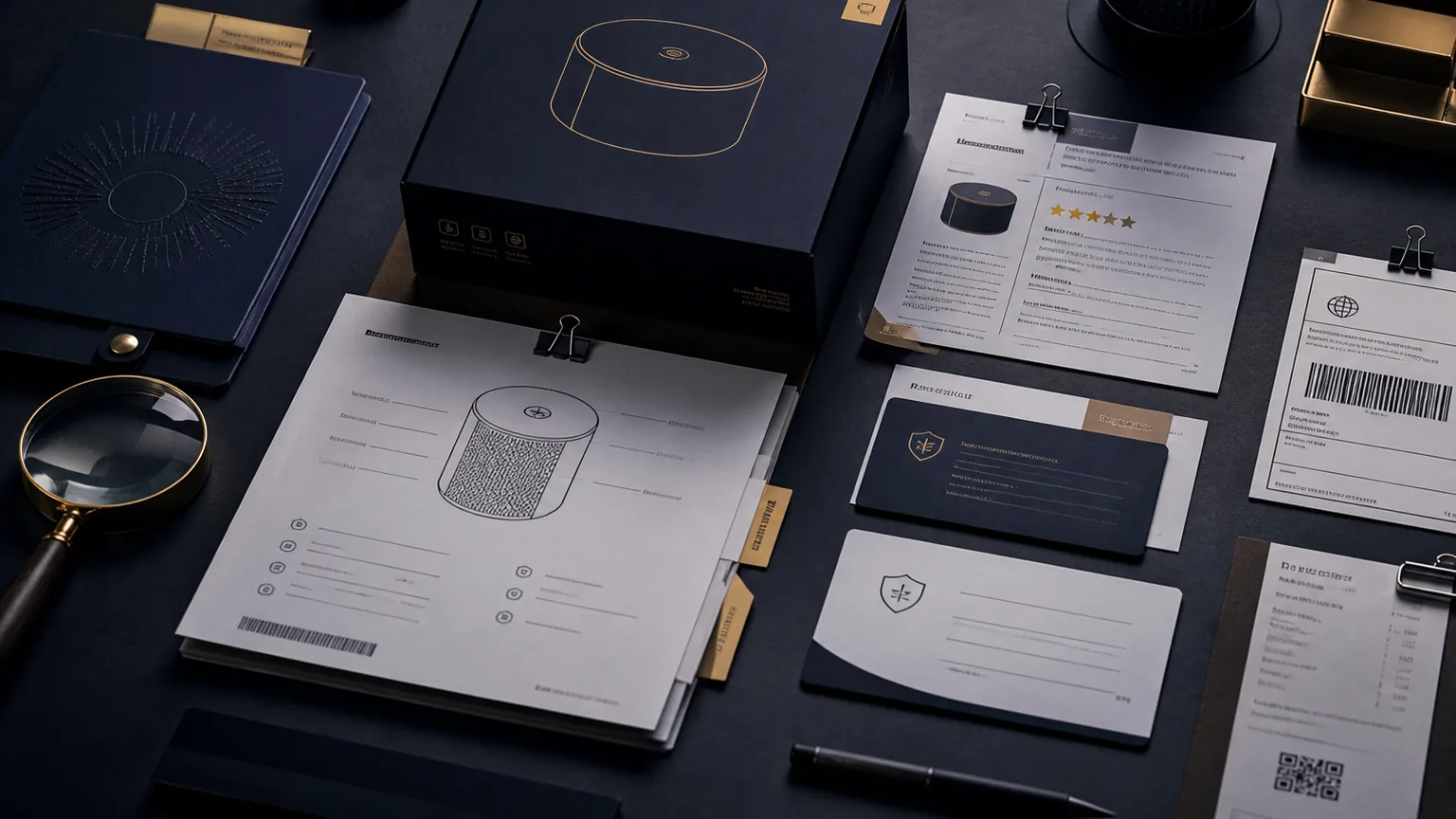
Product Pages Are Now Evidence Pages
Product pages AI citations matter because the product page is often the last page standing between a buyer and money. If AI systems summarize options, compare vendors, or answer “which one should I buy?” questions, they need reliable product evidence somewhere. Your product page is the obvious place. Obvious, of course, does not mean most sites are doing it well.
Search Engine Journal reported on a Ten Speed citation study showing product pages received 24% of AI citations in observed B2B buyer prompts, while Reddit and YouTube were each around 4% (https://www.searchenginejournal.com/product-pages-get-24-of-ai-citations-reddit-youtube-4/587560/). Treat that as one study and a useful market signal, not a commandment carved into a tablet. The practical takeaway is still strong: AI answers are not only citing big educational guides and community threads. They may cite pages that directly explain products, specs, use cases, proof, and comparisons.
For an owner, the question is simple: when a customer asks an AI tool what to buy, is your product page clear enough, specific enough, and trustworthy enough to be used as source material?

Why Product Pages Are Getting a Bigger Job
A product page used to have a familiar assignment: rank, persuade, answer basic questions, and move the buyer toward purchase or contact. It still has to do all of that. Very rude of search to keep the old work and add new work, but here we are.
Now the page also has to support AI extraction. Google Search Essentials still start with the basics: make content crawlable, useful, and eligible for indexing (https://developers.google.com/search/docs/essentials). Google’s helpful content guidance also emphasizes creating content for people, not pages built mainly to game search systems (https://developers.google.com/search/docs/fundamentals/creating-helpful-content). Those principles matter more when AI systems are condensing product information into short answers.
A strong product page answers the questions buyers actually ask: what is it, who is it for, what problem does it solve, how is it different, what proof supports it, what does it cost or require, and what should the buyer do next?
What Makes a Product Page Citable
AI systems do not cite a page because it has good vibes. They need retrievable information that appears reliable, relevant, and easy to extract. No single element guarantees a citation, but several elements make a product page a better candidate.
Start with a direct product definition. Say exactly what the product or offer is in plain language near the top of the page. If the page takes four scrolls to admit what is being sold, the buyer is not enjoying the suspense. Neither is the machine trying to summarize it.
Add specific use cases. Name the buyer types, situations, industries, service environments, or problems where the product makes sense. This helps AI systems connect the page to real prompts, not just broad category keywords.
Show constraints and fit. A page that explains who should not buy, when a cheaper option works, or what prerequisites matter is often more credible than a page that claims universal greatness. Universal greatness is usually just a refund request in formalwear.
Include proof that belongs on the page. Reviews, case evidence, original photos, comparison details, support documentation, certifications, warranties, implementation notes, and first-party measurements can all help. Proof should be visible to users, not hidden in schema markup like a tiny compliance goblin.
Structure the Page for Humans First, Extraction Second
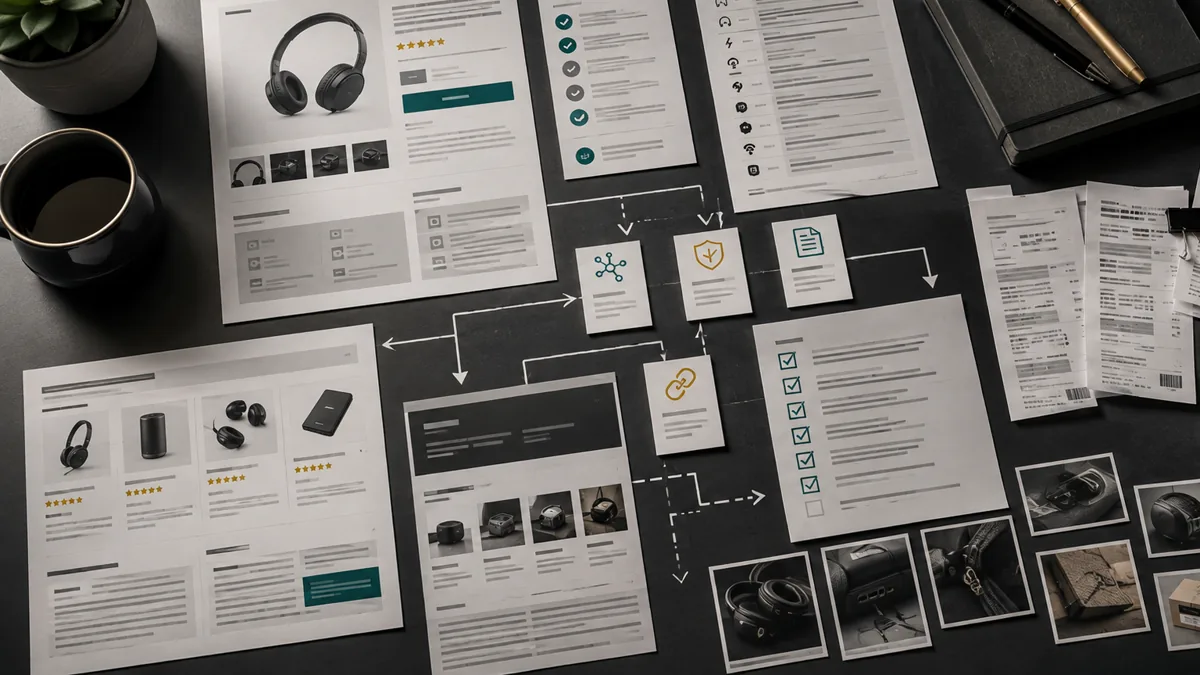
The best product pages are easy for a hurried buyer to scan and easy for a system to parse. Those goals overlap more than agencies sometimes pretend. Clear headings, concise sections, descriptive labels, and answer-first copy help both humans and machines understand the page.
Use headings that map to buying questions. Instead of vague sections like “Overview” and “Benefits,” use practical headings such as “Who this is for,” “What is included,” “Common use cases,” “How it compares,” and “Questions before you buy.” The heading should tell the reader what they will learn, not simply announce that a section exists. Brave work, headings.
Put the important facts in text. Product images, PDFs, video demos, and comparison graphics can help persuasion, but key facts should also appear as accessible page copy. If the only meaningful information is trapped in an image or brochure download, the page is asking search and AI systems to solve a small escape room.
Connect the page internally from category pages, guides, comparison pages, support articles, and service pages so it sits inside a coherent evidence network. Orphaned pages are hard for buyers to find and harder for machines to interpret in context.
Product Schema Helps, But It Is Not the Product Page
Product structured data can help search systems understand product information such as offers, reviews, shipping details, and availability when implemented correctly. Google’s product structured data documentation explains supported product result features and requirements (https://developers.google.com/search/docs/appearance/structured-data/product). Schema.org’s Product type also defines common properties for product entities (https://schema.org/Product).
Useful? Absolutely. Magic? Unfortunately no. If schema alone made AI cite you, every ecommerce plugin would be printing money by now.
Schema should match visible page content. Do not mark up reviews that are not visible, prices that do not match the page, fake ratings, or claims the business cannot defend. Structured data is a translation layer, not a permission slip to invent a better business.
For service-based companies with productized offers, the same principle applies. Explain the offer clearly before markup tries to describe it. Machines cannot extract clarity from fog just because the fog has JSON-LD.
The Mistakes That Keep Product Pages Out of AI Answers
The first mistake is thin copy. A page with a title, a photo, a price, and a button may convert known buyers, but it may not provide enough evidence for comparison or recommendation prompts.
The second mistake is category sameness. If every product page repeats the same brand boilerplate and swaps only the product name, the site is manufacturing duplicates with better lighting. Each page should explain the distinct problem, fit, proof, and decision factors for that specific product or offer.
The third mistake is hiding objections. Buyers ask AI systems comparison questions because they want tradeoffs, alternatives, and confidence. If your page refuses to answer obvious objections, AI answers may lean on competitors, marketplaces, review sites, or community threads instead.
The fourth mistake is treating citations as the goal. A citation can create awareness, but revenue happens when the page also converts. If the product page is cited and the visitor lands on a confusing page, congratulations: you won the referral and lost the buyer.

A Practical Product Page Readiness Checklist
Before publishing or rewriting a product page, check whether it can answer the buyer and feed the evidence layer around your business.
- It defines the product or offer in one clear sentence near the top.
- It names who the product is for and when it is a poor fit.
- It includes specific use cases, not only broad benefit claims.
- It answers comparison questions a buyer would naturally ask.
- It shows visible proof: reviews, examples, photos, specs, certifications, support notes, or original data.
- Essential facts appear in accessible text, not only images, PDFs, or video.
- Product schema, if used, matches the visible page content.
- Internal links connect the page to related guides, categories, comparisons, and support answers.
- The next step is obvious: buy, book, request a quote, compare, or contact.
If a page fails half of that list, the problem is not “AI does not understand us.” The problem may be that the page is making everyone work too hard.
The Bottom Line
Product pages are becoming source material, not just sales collateral. They need to persuade customers, support search visibility, and give AI systems enough accurate evidence to mention the business in buying conversations.
That does not mean every product page will be cited. It does mean vague, thin, duplicate, or proof-free pages are a bad bet when buyers ask AI tools to compare options before they click.
That is better for AI visibility, better for SEO, and (inconveniently for hype merchants) better for actual customers.
If your product or offer pages are close to revenue but light on evidence, start there. A paid AI Visibility Audit can identify the pages most likely to block discovery, trust, and conversion, so the first fixes are tied to customers instead of another decorative spreadsheet.