AEO vs GEO: What's the Difference and How to Optimize Your Business for Both
Most small business owners have heard of SEO. A growing number have started hearing about AEO. Now there's GEO too. If these feel like alphabet soup designed to sell you more marketing services, that's a fair reaction, but the distinction between AEO and GEO is real, it matters for how you write and structure your content, and understanding it will explain why some businesses keep showing up in AI answers while others stay invisible.
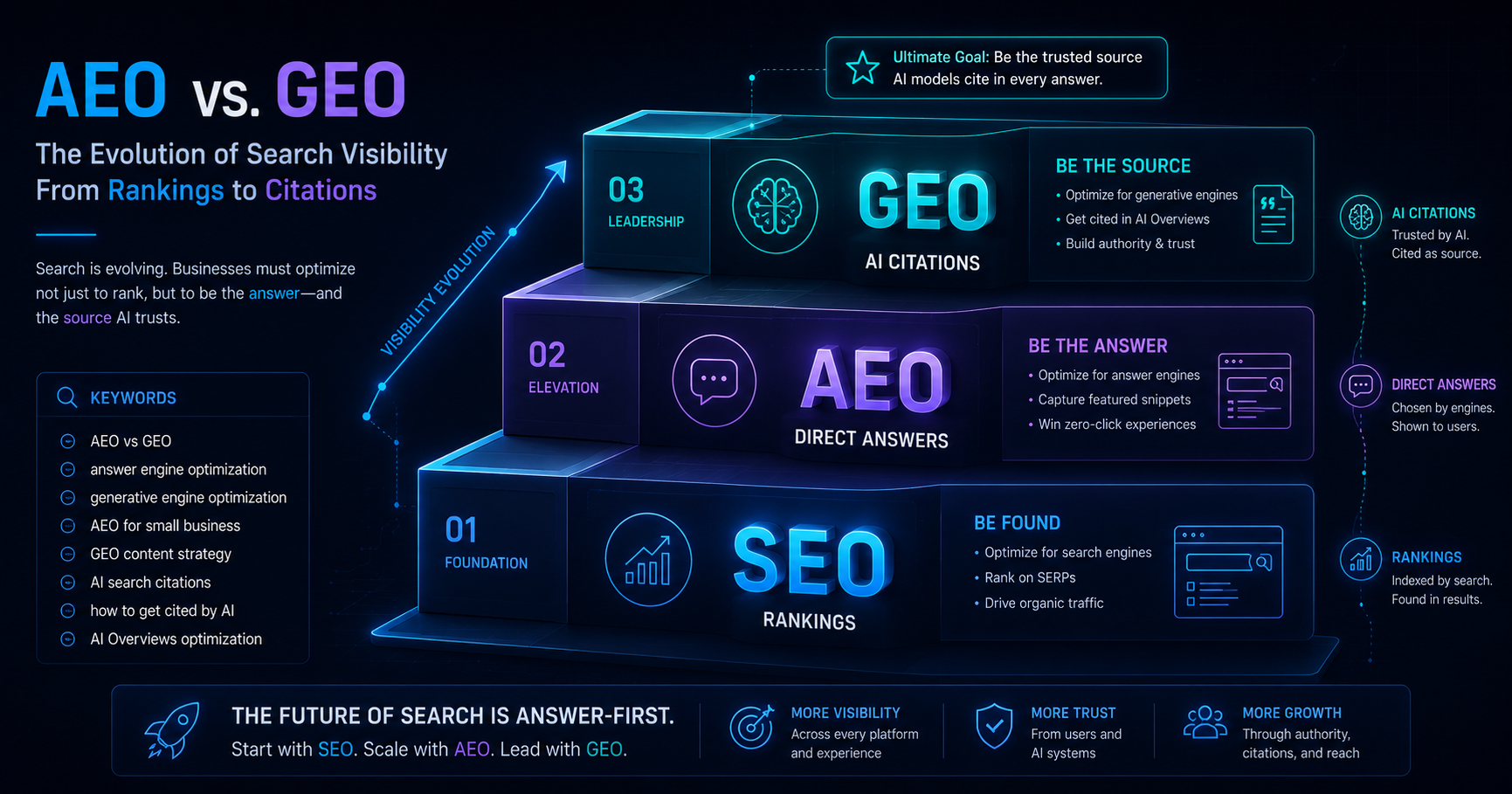
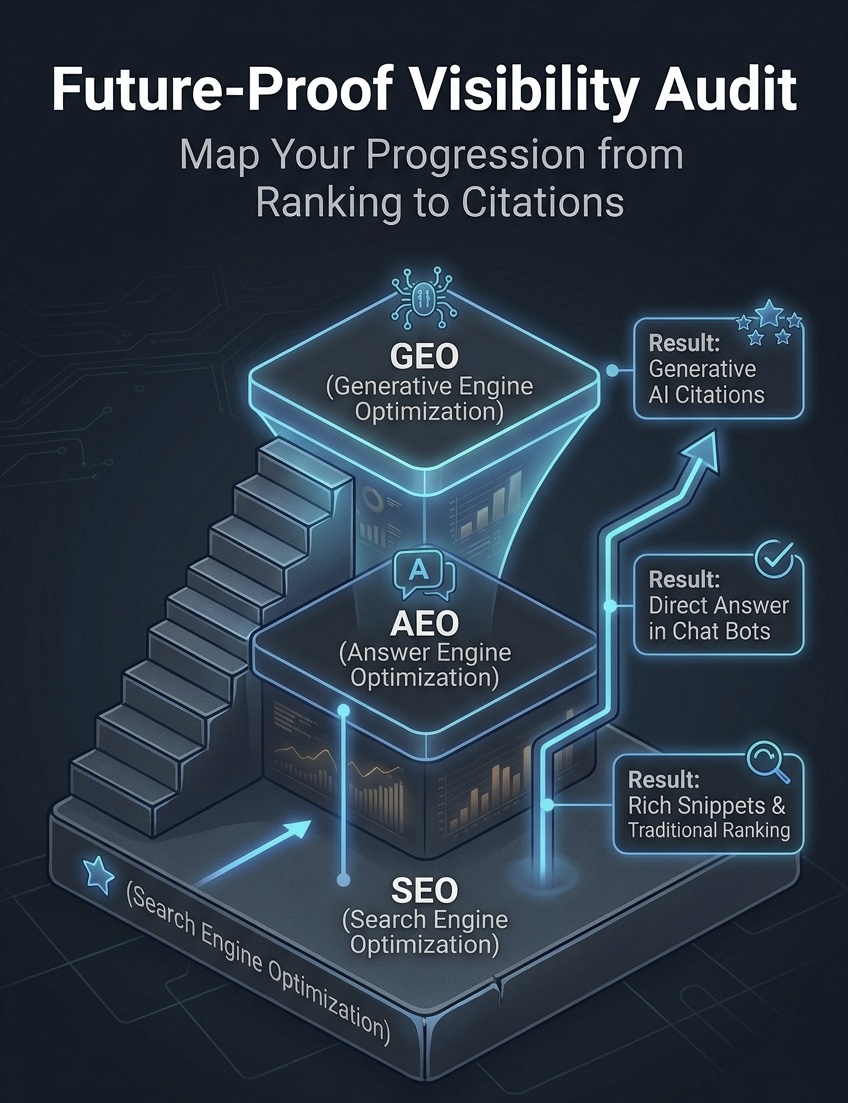
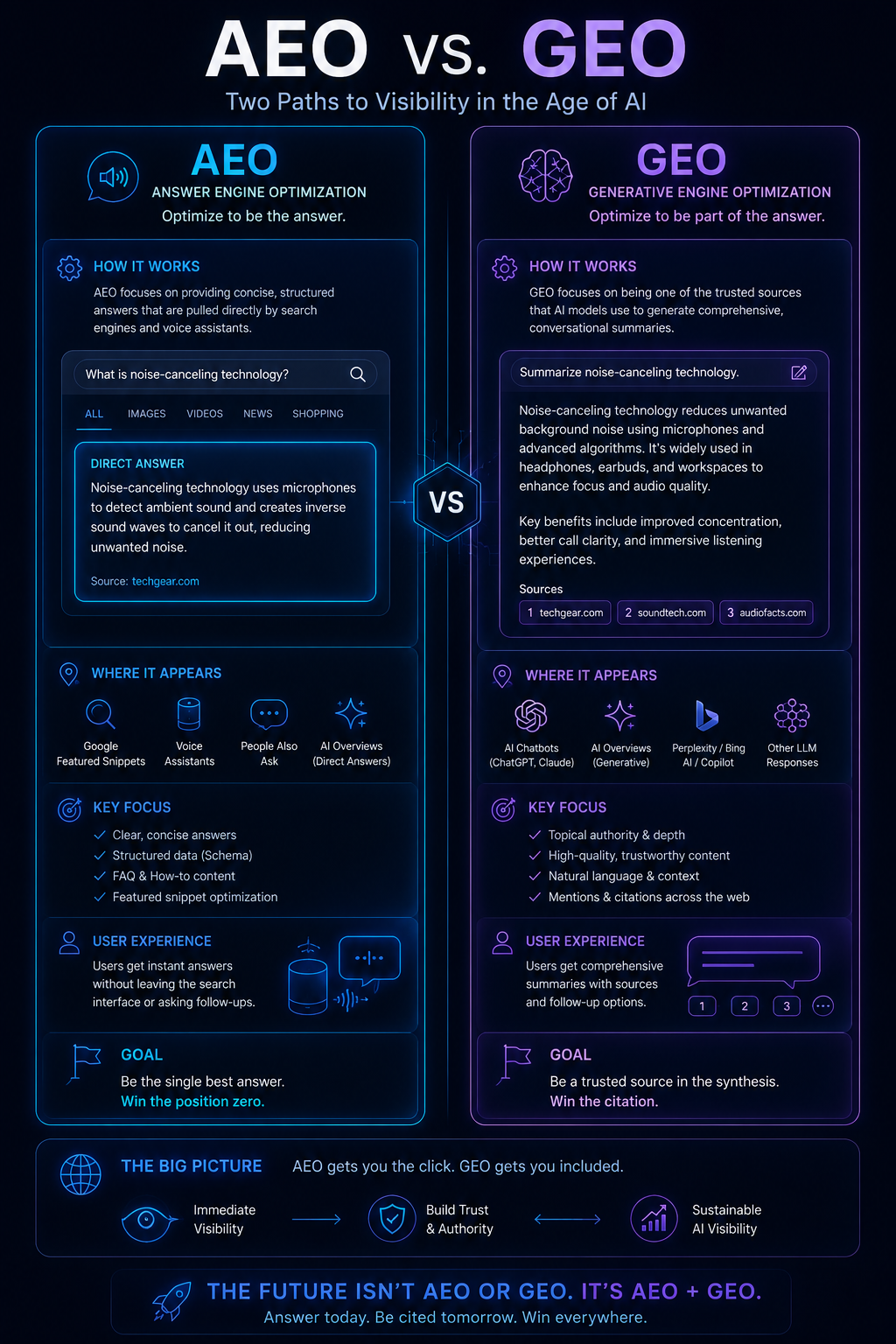
The short version: AEO helps your content become the answer. GEO helps your content become the source behind the answer. The longer version is what this article is about, including specific tactics for each, and why the two strategies work better together than apart.
What AEO Actually Means and Why It Differs from SEO
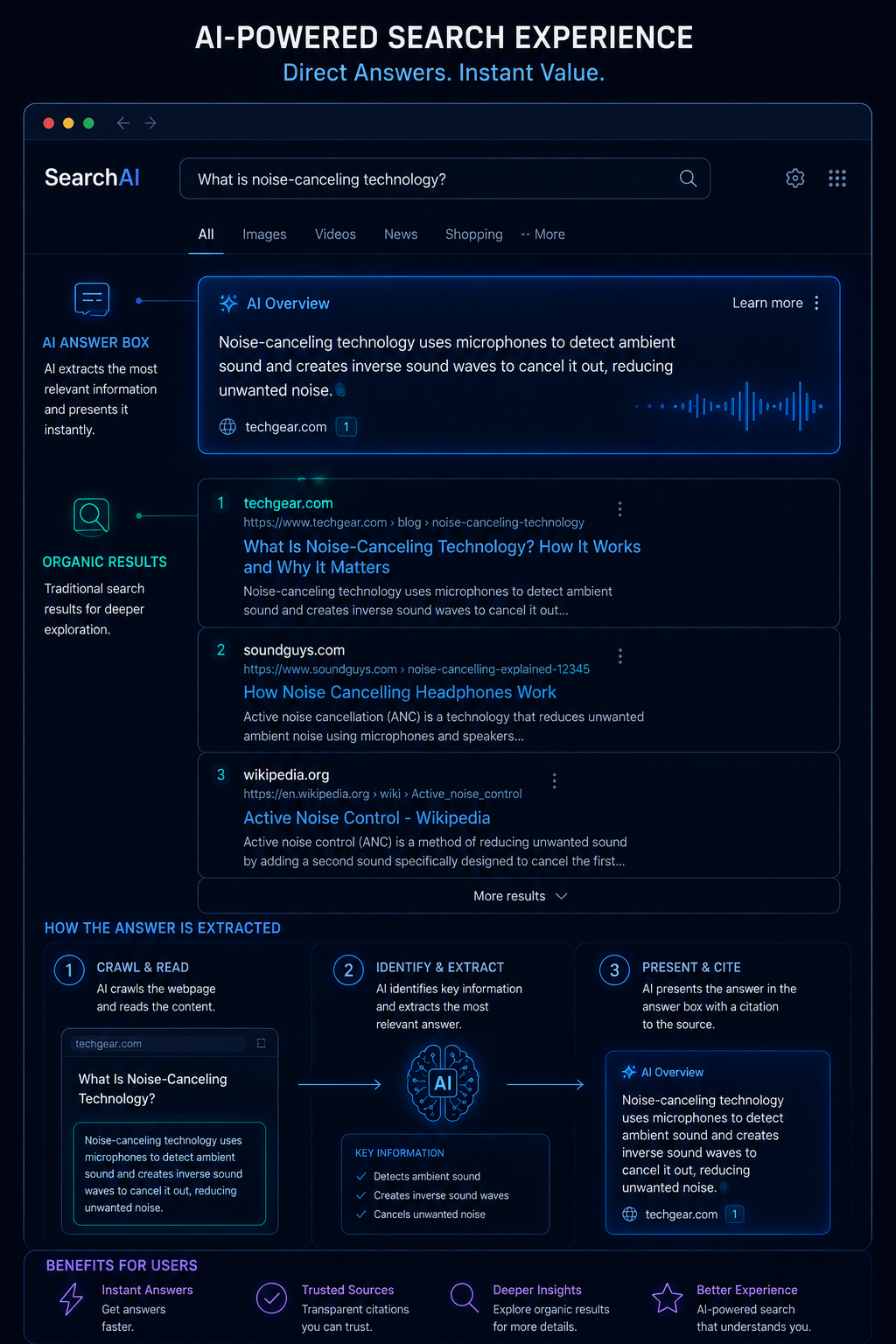
AEO stands for Answer Engine Optimization. Where traditional SEO is about ranking on a results page, AEO is about being the result that gets read aloud, displayed in a featured snippet, or pulled into a direct answer box, without the user needing to click anything at all.
Google's own Search Quality Evaluator Guidelines define "fully meets" as the highest satisfaction rating: content that completely and directly satisfies the user's query with no follow-up needed. That standard is the foundation of AEO. You're not trying to rank; you're trying to be so direct and useful that the search engine treats your content as the answer itself.
According to HubSpot's analysis of AEO versus GEO, AEO favors content that is concise, structured, and formatted so that a machine can extract a clean response. That means short paragraphs, direct definitions, FAQ-style question-and-answer formatting, and headings written the way real people ask questions.
What AEO Content Looks Like in Practice
The difference between a page that earns a featured snippet and one that doesn't is almost always structural. Here are real-world examples of what AEO-optimized content looks like for local service businesses:
An HVAC company in Calgary writes a page titled "How much does furnace replacement cost in Calgary?" The page opens with: "Furnace replacement in Calgary typically costs between $3,500 and $7,000 installed, depending on the unit size and existing ductwork." That sentence, in the first paragraph, is exactly what an answer engine needs. It's specific, local, and complete.
A physiotherapy clinic adds a FAQ section to its homepage. One question reads: "How many physiotherapy sessions does it take to recover from a rotator cuff injury?" The answer is two to three sentences with a specific range. That answer gets extracted for voice search responses.
A roofing contractor writes a service page with the heading "What are the signs your roof needs replacing?" followed by a numbered list of seven specific warning signs. Each item is one sentence. The list gets featured in an AI Overview.
The pattern across all three: the answer exists on the page as a standalone unit. Someone reading only that paragraph or that list item would have their question answered. They don't need the rest of the article to understand it.
How to Optimize Your Content for AEO
These are the structural changes that consistently move the needle on AEO visibility:
Answer the question in the first paragraph. Research published by Indig in February 2026, analyzing 1.2 million AI responses, found that 44.2% of ChatGPT citations come from the first 30% of content. Don't build to your answer; start with it.
Keep answer blocks under 40 words. That same research body found that AI systems extract paragraphs under 40 words at 2.7 times the rate of longer passages. If your answer paragraph runs long, split it.
Use question-based headings. Write your H2 and H3 headings the way a customer would type the question into a search bar. "What does a plumber charge per hour in Edmonton?" outperforms "Our Pricing" every time.
Add FAQPage schema markup. According to GenOptima's Q1 2026 research, FAQPage schema drives a 3.1 times higher answer extraction rate. It signals to AI crawlers exactly which content is structured as a question and answer.
Write definitions that stand alone. Every time your content introduces a concept, service, or term, define it in one clean sentence. "Drain snaking is a technique where a flexible metal cable is fed into a pipe to break up or retrieve blockages." That sentence is AEO-ready.
What GEO Actually Means and Why It's a Different Problem
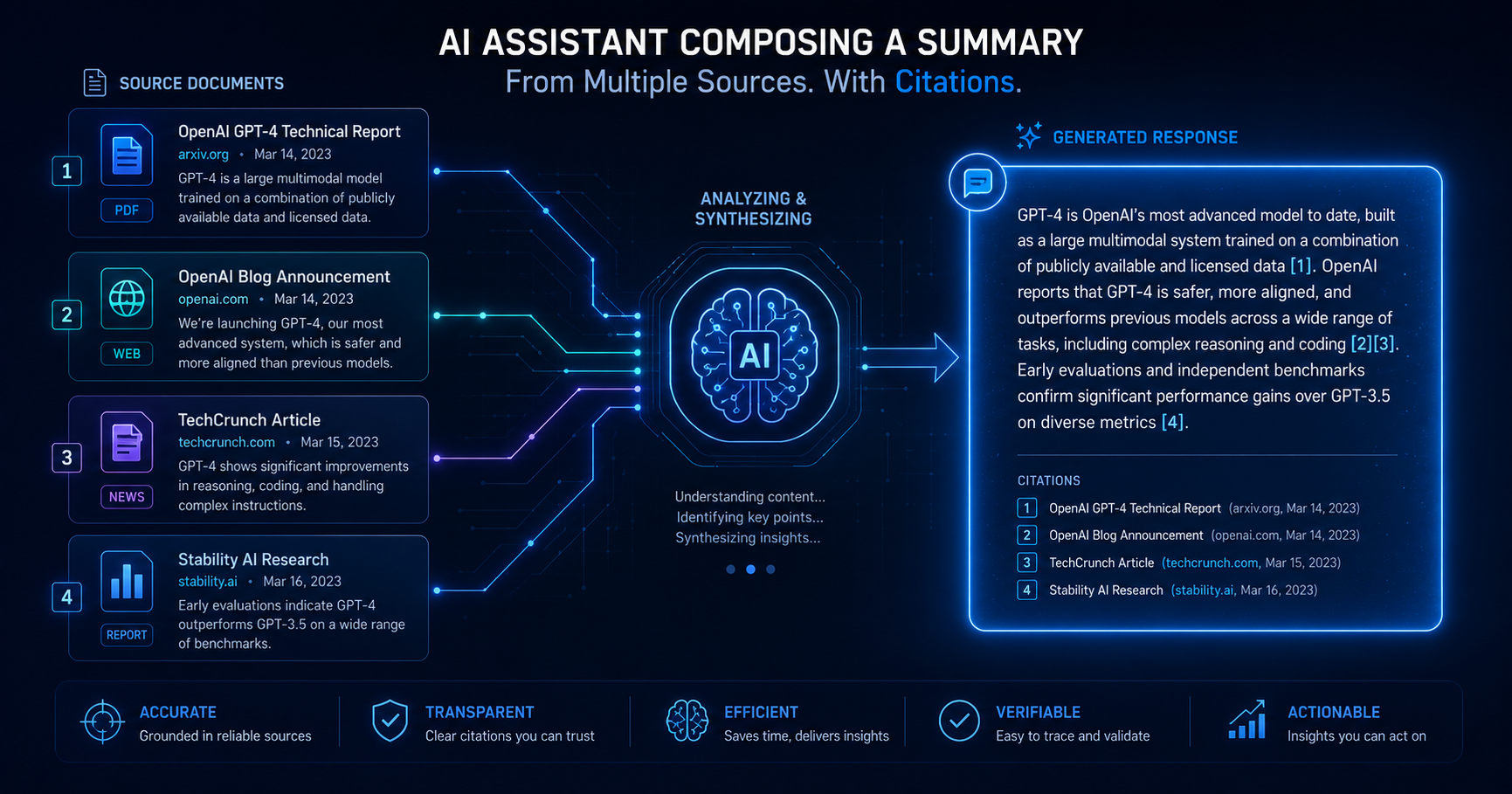
GEO stands for Generative Engine Optimization. Where AEO is about being extracted as a direct answer, GEO is about being cited as a credible source inside an AI-generated response that synthesizes information from multiple places.
When someone asks Perplexity "what should I look for when hiring a general contractor in Alberta," Perplexity doesn't find one answer and display it. It reads dozens of sources, synthesizes a response, and cites the ones it found most credible and relevant. GEO is the practice of making your content one of those cited sources.
Yext's 2025 breakdown of SEO, AEO, and GEO describes GEO this way: it's about optimizing so AI systems can understand your content, trust it, and include it while generating their own synthesized output. The AI does the writing; your job is to be worth quoting.
This distinction matters because GEO rewards content that would never earn a featured snippet. A 2,000-word guide comparing five types of commercial roofing materials, written with specific data and clearly attributed claims, is not going to become a direct answer box. But it is exactly the kind of source Perplexity and ChatGPT cite when someone asks a complex question about commercial roofing.
What GEO Content Looks Like in Practice
A financial planning firm publishes a detailed guide titled "RRSP vs TFSA for self-employed Canadians: a side-by-side comparison." It includes specific dollar thresholds, CRA references, and three worked examples with different income levels. When someone asks ChatGPT about retirement savings for freelancers in Canada, that guide gets cited.
A dental clinic publishes a page titled "How long does Invisalign take for adults?" with a specific timeline broken into phases, a table comparing mild, moderate, and complex cases, and a note that their clinic has completed over 300 Invisalign treatments since 2019. The specificity and first-hand claim make it more citable than a generic overview.
A home inspection company writes a post called "What do home inspectors actually look for in older Calgary homes?" The post references specific years when certain building codes changed in Alberta and names the materials that were common in homes built between 1970 and 1995. Local specificity plus verifiable facts equals a strong GEO signal.
The pattern: depth, specificity, and verifiability. GEO content contains claims that can be cross-referenced, data that can be confirmed, and expertise that is clearly grounded in real experience.
How to Optimize Your Content for GEO
Increase entity density. Research cited in Ahrefs' February 2026 analysis found that pages with 15 or more named entities per 1,000 words have a 4.8 times higher AI citation probability. Named entities include people, places, organizations, dates, products, and specific dollar figures. "We've served clients in Airdrie, Cochrane, and Okotoks since 2017" is entity-dense. "We serve the greater Calgary area" is not.
Use original data wherever possible. Analysis of AI citation patterns found that pages containing original data tables earn 4.1 times more AI citations than pages without them. You don't need a formal study; a table showing average project costs by job type based on your last 50 jobs is original data.
Demonstrate first-hand experience explicitly. Write in the first person about what you've actually seen. "In our experience replacing over 400 furnaces in Calgary homes, the most common reason systems fail before 15 years is improper filter maintenance" is a GEO-friendly sentence. It contains a specific number, a location, a claim, and a causal explanation. AI systems treat that kind of sentence as citable.
Build multi-platform presence. According to iBeam Consulting's SEO, AEO, and GEO comparison, AI systems cross-verify source credibility across platforms. A business with a complete Google Business Profile, linked social media profiles, directory listings, and schema sameAs markup is easier for AI to trust than one that exists only as a single website. Perplexity's citation algorithm weights domain authority at 15% and citation frequency at 35% of inclusion signals.
Keep content fresh. Perplexity's time decay model starts penalizing content within 2 to 3 days of a topic becoming current. For evergreen service pages, this means adding a "last updated" date and revisiting the content at least quarterly with new data or examples.